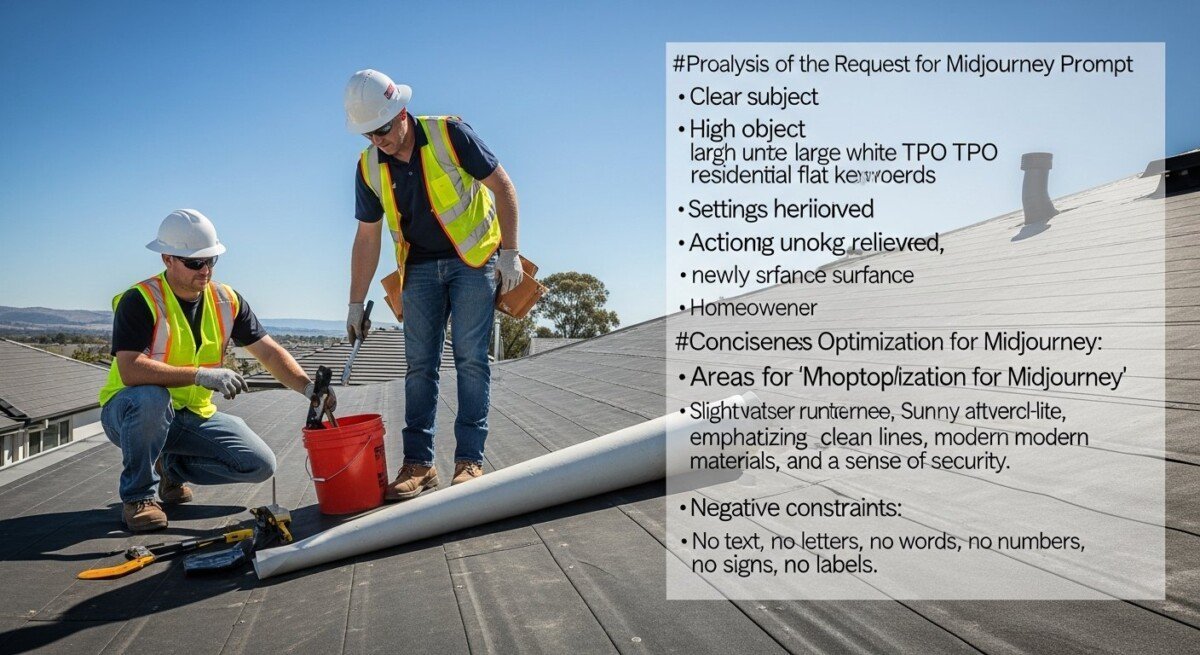
Flat Roof Installation: A Homeowner’s Guide to a Dry, Secure Home
Learn everything you need to know about flat roof installation, from common problems to costs, warning signs, and how to choose the right contractor.

By Sarah L. Collins
Learn more about Roof Repair or Maintenance for guides, costs, and what to expect.
Compare Roof Repair or Maintenance Pros Near You
Enter your ZIP code to compare top-rated local professionals and request free quotes.
You walk into your living room after a heavy rain and notice a dark, damp patch spreading across the ceiling. Or perhaps you spot a slow drip near a skylight. For many homeowners with flat or low-slope roofs, these moments are the first sign that something is wrong. Flat roof installation might not be something you think about every day, but when water finds its way inside, it quickly becomes your top priority. Ignoring a small leak or a worn-out roof surface can lead to costly structural damage, mold growth, and even compromised insulation. At Repairmen, we’ve seen how a timely, professional flat roof installation can turn a stressful situation into a long-term solution.
Understanding Flat Roof Installation
A flat roof isn’t perfectly level,it has a slight slope to help water drain. Flat roof installation is the process of applying a waterproof membrane, insulation, and a protective surface over a roof deck to keep your home dry and energy-efficient. Modern flat roofs use materials like modified bitumen, EPDM rubber, TPO, or PVC, each with its own benefits.
Flat roofs are most common on modern-style homes, additions, garages, porches, and commercial buildings. If your home was built in the last 30 years or has an extension, there’s a good chance you have a flat roof. These roofs are popular because they’re cost-effective and create usable outdoor space, but they require careful installation to prevent water pooling and leaks.
Why This Matters for Your Home
A properly installed flat roof protects your home’s structure, your belongings, and your family’s comfort. When a flat roof fails, water can seep into ceilings, walls, and insulation, leading to rot, mold, and higher energy bills. Over time, even small leaks can weaken wooden beams and cause drywall to sag or collapse.
Delaying repairs or choosing a quick DIY patch often leads to bigger problems. Water damage spreads silently, and what starts as a minor leak can turn into a $5,000 interior repair or a full roof replacement. Safety is another concern,walking on an aging flat roof without proper training can result in falls or further damage to the membrane.
Investing in professional flat roof installation now protects your home’s value and gives you peace of mind during every storm. A quality installation can last 20 to 30 years with proper maintenance.
If you notice signs of this issue in your home, it may help to speak with a qualified contractor. Request a free quote or call to explore your repair or remodeling options.
Common Problems Homeowners Experience
Flat roofs face unique challenges because water doesn’t run off as quickly as on sloped roofs. Over time, exposure to sun, rain, and temperature changes can cause the roofing material to crack, blister, or separate at seams. Many homeowners first notice trouble when they see stains on interior ceilings or feel drafts near the roof line.
In our guide on expert roof installation services in Quebradillas, we explain how local weather conditions can accelerate wear. Here are the most common issues homeowners face with flat roofs:
- Ponding water that doesn’t drain within 48 hours after rain
- Cracked or blistered membrane caused by sun and heat
- Leaks around roof penetrations like vents, skylights, or HVAC units
- Separated seams or flashing that allow water to enter
- Granule loss on built-up or modified bitumen roofs
- Moss, algae, or debris buildup that traps moisture
These problems don’t fix themselves. The longer you wait, the more likely water will damage your home’s interior and structure.
How Professionals Solve the Problem
Experienced contractors follow a systematic process to ensure your flat roof installation is watertight and durable. They start with a thorough inspection to assess the existing structure, identify any rot or damage, and determine the best materials for your climate and budget.
A typical professional installation includes these steps:
- Inspection and preparation , Remove old roofing, check the deck for damage, and make structural repairs if needed.
- Installing insulation and slope , Add rigid insulation panels and create a slight slope to improve drainage.
- Applying the membrane , Install your chosen waterproof material (EPDM, TPO, or modified bitumen) with heat-welded or glued seams.
- Sealing penetrations and edges , Flash around vents, drains, and walls to prevent leaks.
- Final inspection and cleanup , Test drainage, check for defects, and remove debris.
Professional work is safer and more reliable than DIY fixes because contractors have the right tools, training, and warranties. They also know local building codes and can handle unexpected issues like rotted wood or hidden mold.
A professional inspection can reveal hidden issues before they become expensive repairs. Compare contractor quotes here or call to discuss your project.
Warning Signs You Should Not Ignore
Early detection is the best way to avoid major damage. Walk around your property after a storm and look for these warning signs. If you spot any of them, it’s time to call a professional.
- Water stains or bubbling paint on interior ceilings
- Pooling water that remains on the roof for more than two days
- Visible cracks, bubbles, or tears in the roof surface
- Moldy or musty smells in rooms below the roof
- Higher than normal energy bills due to lost insulation
- Age,flat roofs over 15 years old are more likely to need replacement
Acting early can save you thousands in structural repairs. A simple inspection and minor repair today can prevent a full roof replacement tomorrow.
What Affects the Cost of Repairs or Installation
The cost of a flat roof installation varies based on several factors. Your home’s size is the biggest driver,larger roofs require more materials and labor. The type of material you choose also matters: EPDM rubber is typically more affordable, while TPO and PVC offer better energy efficiency at a higher price.
Other cost factors include the condition of your existing roof deck (rotted wood must be replaced), the number of penetrations like vents or skylights, and how easy it is for workers to access your roof. In some cases, removing multiple layers of old roofing adds to the price. As a general rule, a full flat roof replacement costs between $4 and $12 per square foot installed.
For a deeper look at how a professional protects your investment, read how a roof installation contractor protects your home and wallet.
Costs can vary depending on the condition of your home. The best way to know the price is to get a personalized estimate. Request free quotes from contractors or call today.
How to Choose the Right Contractor
Not all roofers are created equal. To ensure your flat roof installation is done right the first time, take time to vet potential contractors. A reliable professional will be transparent about their pricing, materials, and timeline.
- Check licenses and insurance , Verify that the contractor is licensed in your state and carries liability insurance and workers’ compensation.
- Read customer reviews , Look for recent reviews on Google, Yelp, or the contractor’s website. Pay attention to comments about communication and follow-up.
- Ask for detailed estimates , Get written quotes that break down material costs, labor, and warranties. Avoid vague bids.
- Compare multiple quotes , Get at least three estimates to understand the market rate and avoid overpaying.
- Confirm experience with flat roofs , Flat roof installation requires specific skills. Ask how many similar projects they’ve completed.
Long-Term Benefits of Professional Work
When you invest in a professional flat roof installation, you’re not just fixing a leak,you’re adding long-term value to your home. A quality roof improves energy efficiency by keeping your home cooler in summer and warmer in winter, which lowers your utility bills.
Professional work also comes with warranties that protect you if something goes wrong. Most reputable contractors offer a 10- to 20-year warranty on materials and labor. This peace of mind is something no DIY patch can provide. Additionally, a well-maintained flat roof can increase your home’s resale value, making it more attractive to future buyers.
Finally, professional installation reduces future maintenance. Properly installed membranes, flashing, and drainage systems resist wear and tear, meaning fewer callbacks and less stress for you.
How long does a flat roof last?
With professional installation and regular maintenance, a flat roof can last 20 to 30 years. EPDM rubber roofs often last 25,30 years, while modified bitumen and TPO roofs last 15,25 years. The lifespan depends on climate, material quality, and how well the roof is maintained.
Can I install a flat roof myself?
While it’s possible to install a small flat roof yourself, it’s risky. DIY flat roof installations often fail due to improper seam sealing, inadequate slope, or incorrect flashing. Hiring a professional ensures the job meets building codes and comes with a warranty.
What is the best material for a flat roof?
The best material depends on your budget and climate. EPDM rubber is durable and affordable. TPO is energy-efficient and reflects heat. Modified bitumen is strong and easy to repair. A local contractor can recommend the best option for your area.
How much does a flat roof installation cost?
Most homeowners pay between $4,000 and $12,000 for a full flat roof replacement, depending on roof size, material, and labor. Small repairs cost less, typically $300 to $1,200. The best way to get an accurate price is to request quotes from multiple contractors.
Do flat roofs leak more than sloped roofs?
Flat roofs can be more prone to leaks if not installed or maintained properly, because water drains more slowly. However, a professionally installed flat roof with proper slope and drainage is just as reliable as a sloped roof.
How do I maintain my flat roof?
Inspect your flat roof twice a year,once in spring and once in fall. Remove debris, check for cracks or blisters, and ensure drains are clear. A professional inspection every two years can catch small problems early.
Will a flat roof installation increase my home’s value?
Yes. A new, professionally installed flat roof is a major selling point. It signals to buyers that the home is well-maintained and protected from water damage. You can expect to recoup 60,70% of the installation cost when you sell.
How long does a flat roof installation take?
Most residential flat roof installations take 2 to 5 days, depending on the size of the roof and weather conditions. Complex roofs with multiple layers or repairs may take longer.
A flat roof is a long-term investment in your home’s safety and comfort. Addressing problems early and choosing a professional installation can save you money, protect your property, and give you peace of mind. If you’re concerned about your roof’s condition, start by comparing contractor quotes to understand your options. Request free quotes today or call to speak with a trusted professional.
Learn more about Roof Repair or Maintenance for guides, costs, and what to expect.
Compare Roof Repair or Maintenance Pros Near You
Enter your ZIP code to compare top-rated local professionals and request free quotes.