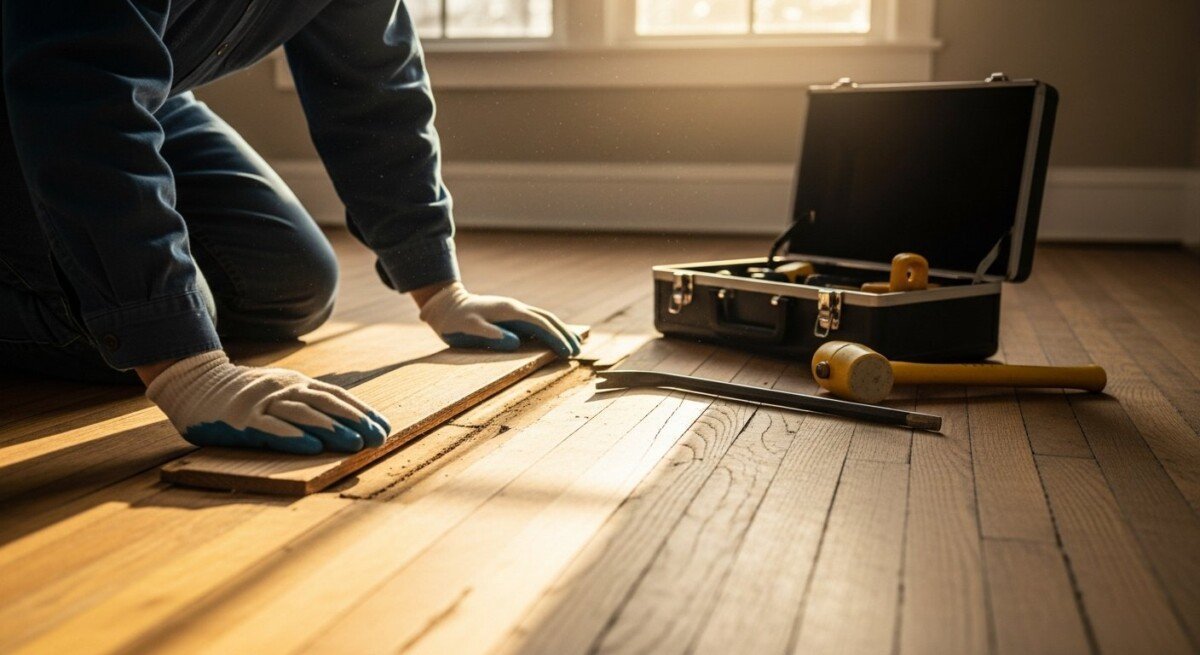
Flooring Repair Services: Save Your Home and Avoid Costly Damage
Learn how flooring repair services can fix cracks, warping, and water damage in your home. Get tips on costs, warning signs, and choosing the right contractor.

By Jessica A. Miller
Learn more about Home Inspection for guides, costs, and what to expect.
Compare Home Inspection Pros Near You

Enter your ZIP code to compare top-rated local professionals and request free quotes.
You walk across your living room and feel a slight give underfoot. Maybe you notice a loose tile in the kitchen or a water stain near the patio door. At first, it seems like a small annoyance,something you can ignore for now. But that small issue can spread. Cracks grow, moisture seeps in, and what started as a minor flaw can turn into a major repair. That is why understanding when to call for flooring repair services can save you time, money, and stress.
What Are Flooring Repair Services?
Flooring repair services cover a wide range of fixes for damaged, worn, or failing floors. This includes repairing cracked tiles, replacing water-damaged planks, fixing loose vinyl, and addressing uneven subfloors. Professional contractors assess the problem, recommend the best solution, and complete the work safely and efficiently.
Damage happens for many reasons: everyday wear and tear, moisture from leaks or humidity, shifting foundations, or simply aging materials. Homes with older flooring, high-traffic areas, or previous water damage are especially prone to these issues. If you live in a region with high humidity or frequent rain, your floors may be at higher risk.
What Types of Flooring Need Repairs Most Often?
Hardwood, laminate, vinyl, tile, and carpet all have different weak points. Hardwood can warp or buckle with moisture. Laminate may separate at the seams. Tile can crack under heavy impact, and carpet can stain or fray. No matter the material, the sooner you address a problem, the simpler and cheaper the fix tends to be.
Why This Matters for Your Home
Ignoring damaged flooring does not just affect how your home looks,it can lead to bigger problems. Moisture that seeps through cracks can damage the subfloor, promote mold growth, and even weaken the structure of your home. Loose or uneven flooring creates tripping hazards, especially for children and older adults.
There is also the comfort factor. Drafts can come through gaps in the floor, making rooms harder to heat or cool. And if you ever plan to sell your home, damaged flooring can lower its value or make it harder to attract buyers. Tackling repairs early helps protect your investment and keeps your home safe and comfortable.
If you notice signs of this issue in your home, it may help to speak with a qualified contractor. Request a free quote or call 1-800-REPAIRMEN to explore your repair or remodeling options.
Common Problems Homeowners Experience
Homeowners encounter a variety of flooring problems, and they often appear without warning. A water leak in the bathroom can cause tiles to loosen. Heavy furniture can leave dents in hardwood. Even sunlight can fade vinyl or laminate over time.
Some problems are easy to spot, while others develop gradually. You might notice a squeak when you walk across a certain board, or a small crack in a tile that slowly widens. These issues may seem small, but they usually point to larger concerns below the surface.
- Cracked or chipped tiles
- Warped or buckled hardwood planks
- Peeling or lifting vinyl sheets
- Separating laminate seams
- Stained or frayed carpet
- Uneven or sagging floors
How Professionals Solve the Problem
Experienced contractors start with a thorough inspection to identify the root cause. They check for moisture, structural movement, and the condition of the subfloor. Once they understand the problem, they explain your options and give you a clear estimate.
- Inspection and diagnosis , The contractor examines the damaged area and checks for hidden issues.
- Material selection , They help you choose replacement materials that match your existing floor or upgrade to something more durable.
- Preparation , The work area is cleared, and the subfloor is repaired or leveled if needed.
- Installation or repair , Damaged sections are removed and replaced, or the flooring is restored using professional techniques.
- Finishing and cleanup , The repaired area is sanded, sealed, or treated to blend in, and the workspace is cleaned.
Professional work is often safer and more reliable than DIY fixes. Contractors have the right tools, experience, and access to high-quality materials. They can also spot issues that a homeowner might miss, such as mold or structural damage. In our guide on affordable flooring repair in Moca, we explain how professional help can save you from costly surprises.
A professional inspection can reveal hidden issues before they become expensive repairs. Compare contractor quotes here or call 1-800-REPAIRMEN to discuss your project.
Warning Signs You Should Not Ignore
Your floors often give you clues that something is wrong. Pay attention to changes in how they look, feel, or sound. Early detection can prevent a small problem from becoming a major project.
If you notice any of the following signs, it is worth having a professional take a look:
- Squeaking or creaking when you walk
- Visible cracks, chips, or gaps
- Warping, buckling, or lifting edges
- Musty odors or discoloration near walls or fixtures
- Spongy or uneven spots underfoot
- Water stains or peeling near appliances or doors
What Affects the Cost of Repairs or Installation
The cost of flooring repair varies depending on several factors. The size of the damaged area is the biggest driver,a single cracked tile costs much less to replace than a whole room of warped hardwood. Materials also matter; exotic wood or custom tiles are more expensive than standard options.
Labor costs depend on the complexity of the job. Repairs that require moving appliances, removing old adhesive, or leveling a subfloor take more time and skill. Accessibility matters too. A floor in a tight bathroom or a multi-story home may cost more to repair than a large open area. Older homes sometimes have unusual subfloor materials that require special handling.
Costs can vary depending on the condition of your home. The best way to know the price is to get a personalized estimate. Request free quotes from contractors or call 1-800-REPAIRMEN today.
How to Choose the Right Contractor
Finding a reliable contractor for your flooring repair is not hard if you know what to look for. Start by asking for recommendations from neighbors or friends who have had similar work done. Online reviews and ratings also give you a sense of a contractor’s reputation.
- Check that the contractor is licensed and insured in your state.
- Read recent customer reviews on multiple platforms.
- Ask for a detailed written estimate that includes materials and labor.
- Compare quotes from at least three contractors before deciding.
- Confirm they have experience with your specific type of flooring.
Long-Term Benefits of Professional Work
When you invest in professional flooring repair, you are not just fixing a problem,you are improving your home. Proper repairs restore safety by eliminating tripping hazards and reducing the risk of falls. Durable materials and expert installation mean the repair will last for years, not months.
Energy efficiency also improves. Sealing gaps and repairing damaged subfloors helps keep heated or cooled air inside your home, lowering your utility bills. And when it comes time to sell, well-maintained flooring adds to your home’s curb appeal and resale value. You will also spend less time and money on future maintenance because the job was done right the first time.
How long does a typical flooring repair take?
Most small repairs, like replacing a few tiles or planks, can be completed in one to two days. Larger projects, such as repairing a whole room or replacing a subfloor, may take three to five days. Your contractor will give you a timeline after inspecting the damage.
Can I repair my floors myself?
Some minor fixes, like filling a small scratch in hardwood or replacing a single vinyl tile, can be done by a handy homeowner. However, larger issues,especially those involving moisture, structural damage, or large sections,are best left to professionals. DIY repairs on complex problems often lead to poor results and higher costs later.
How much do flooring repair services cost on average?
Costs vary widely based on the material, the extent of the damage, and your location. A simple tile replacement might cost $150 to $300, while repairing water-damaged hardwood in a whole room can run $1,000 to $3,000 or more. Getting multiple quotes helps you understand the fair market rate.
Does homeowners insurance cover flooring repairs?
It depends on the cause of the damage. Insurance usually covers sudden events like a burst pipe or storm damage. It typically does not cover wear and tear, gradual leaks, or neglect. Review your policy or ask your agent to see if your specific situation is covered.
What is the difference between repair and replacement?
Repair fixes a specific damaged area, such as replacing a cracked tile or patching a water stain. Replacement involves removing the entire floor and installing new material. Repair is usually cheaper and faster, but if the damage is widespread or the floor is very old, replacement may be a better long-term investment.
How do I know if my subfloor is damaged?
Signs of subfloor damage include soft or spongy spots when you walk, a musty smell, visible mold, or squeaking that persists after the flooring is repaired. A professional can use a moisture meter and visual inspection to confirm the condition of the subfloor.
Your home deserves floors that are safe, comfortable, and built to last. Addressing small problems early with professional flooring repair services protects your property and your peace of mind. Before you start any project, compare quotes from qualified contractors to find the best solution for your home and budget.
Learn more about Home Inspection for guides, costs, and what to expect.
Compare Home Inspection Pros Near You
Enter your ZIP code to compare top-rated local professionals and request free quotes.