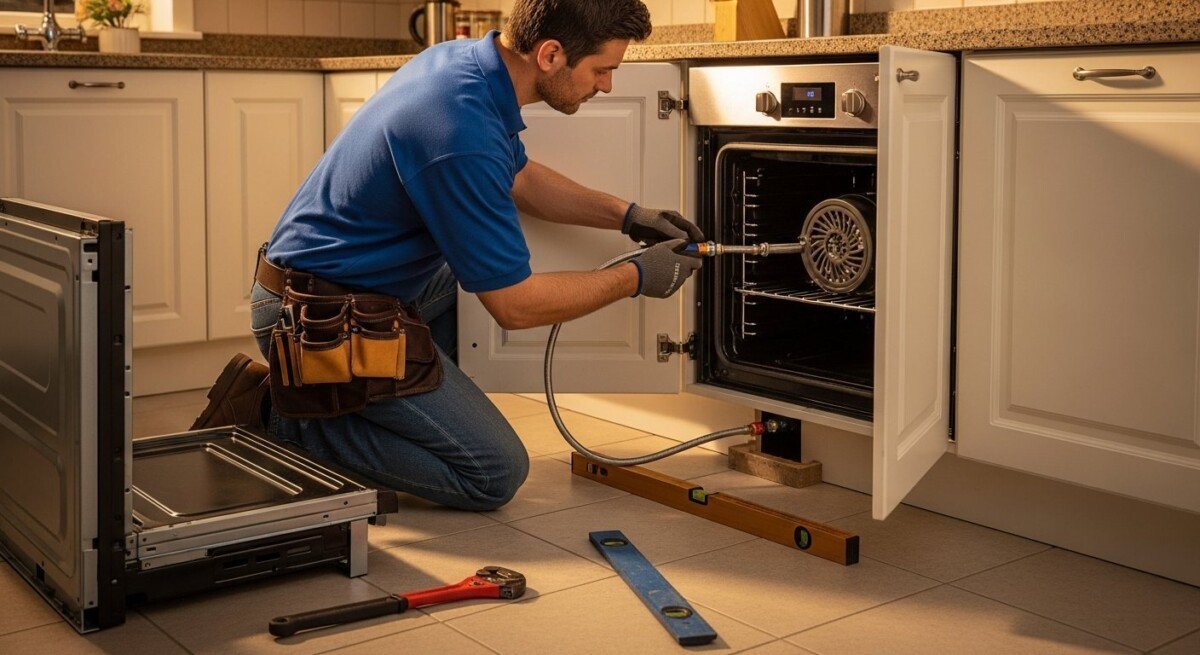
Oven Installation Service: What Homeowners Need to Know
Learn why professional oven installation service matters for your home’s safety, appliance longevity, and kitchen functionality. Get tips on costs, warning signs, and how to choose a contractor.

By Sarah L. Collins
Learn more about Appliance Repair or Maintenance for guides, costs, and what to expect.
Compare Appliance Repair or Maintenance Pros Near You
Enter your ZIP code to compare top-rated local professionals and request free quotes.
You finally ordered that new oven you’ve been eyeing. The delivery truck arrives, the box is dropped in your kitchen, and suddenly you’re staring at a heavy appliance with wires, gas connections, and a manual that reads like a foreign language. Maybe you think, “How hard can it be?” But after an hour of wrestling with the old unit, you realize the gas line doesn’t fit, the electrical outlet is wrong, or the new oven is simply too large for the cutout. This is exactly the moment when many homeowners discover they need a professional oven installation service,and ignoring that need can lead to serious safety hazards, property damage, and costly mistakes.
An oven installation might seem straightforward, but it involves precise gas or electrical connections, leveling, ventilation checks, and code compliance. A small error,like a loose gas fitting or an overloaded circuit,can cause a kitchen fire, carbon monoxide leak, or electrical shock. What starts as a simple upgrade can quickly become a dangerous DIY disaster.
Understanding oven installation service
An oven installation service is a professional solution for safely and correctly setting up a new oven or range in your home. This includes removing the old appliance, preparing the space, connecting gas or electrical lines, testing for proper operation, and ensuring the unit is level and secure. Professional installers also handle disposal of the old oven and can make minor adjustments to cabinetry or countertops if needed.
Why does this matter? Modern ovens often require specific electrical requirements (like a 240-volt outlet) or gas line configurations that older homes may not have. If your home was built before 2000, there’s a good chance the wiring or gas hookup doesn’t meet current code. Professional installers know exactly what to look for and can adapt the setup safely.
Homes most affected are those with older electrical systems, outdated gas plumbing, or custom-built kitchens where the oven cutout is non-standard. If you’re replacing an oven that’s more than 15 years old, or if you’re switching from gas to electric (or vice versa), professional installation is almost always required by local building codes and manufacturer warranties.
What does oven installation include?
A typical professional oven installation includes: disconnecting and removing your old unit, inspecting the gas line or electrical outlet, installing any necessary adapters or new wiring, sliding the new oven into place, leveling it, connecting all lines, testing for leaks or voltage, and performing a full cycle test to confirm everything works. Many services also include hauling away the old appliance and cleaning up the work area.
Why This Matters for Your Home
Your oven is one of the most-used appliances in your kitchen. A faulty installation can cause problems that go far beyond a broken oven. A gas leak, for example, can fill your home with an odorless, invisible gas that poses an explosion risk. An electrical short can trip breakers repeatedly or, worse, ignite a fire inside your wall. These aren’t scare tactics,they’re real risks that happen every year to homeowners who skip professional help.
Beyond safety, improper installation can void your warranty. Most oven manufacturers require professional installation to honor their warranty. If you install it yourself and something goes wrong six months later, you could be stuck paying for a $2,000 replacement out of pocket. Plus, a poorly installed oven can lead to uneven cooking, excessive energy consumption, and premature wear on internal components. The cost of professional installation is a fraction of the potential repair or replacement costs down the road.
If you notice signs of this issue in your home, it may help to speak with a qualified contractor. Request a free quote or call to explore your repair or remodeling options.
Common Problems Homeowners Experience
Many homeowners don’t realize they have an installation problem until they try to use their new oven. The oven won’t heat up, the gas smells funny, or the unit rocks when you open the door. These are signs that something went wrong during setup. Other issues show up later, like frequent circuit breaker trips or a persistent gas odor that never quite goes away.
In older homes, the most common problem is incompatible hookups. You might have a gas line but the new oven is electric, or the outlet is a three-prong when the oven requires four. In newer homes, the issue is often improper leveling or ventilation, leading to hot spots and uneven baking. Here are the most frequent issues homeowners face:
- Gas line leaks , A loose connection can release natural gas into your kitchen, creating a serious fire or explosion hazard.
- Electrical mismatches , Using the wrong voltage or amperage can damage the oven’s internal electronics or cause a fire.
- Unlevel installation , An oven that tilts or rocks can cause food to cook unevenly and strain the door hinges.
- Improper ventilation , Ovens need airflow to operate efficiently; blocking vents can cause overheating and shorten the appliance’s life.
- Damaged flooring or cabinetry , Sliding a heavy oven into place can scratch floors, chip tiles, or dent cabinets without proper care.
- Voided warranty , DIY installation often voids the manufacturer’s warranty, leaving you unprotected if the oven fails.
How Professionals Solve the Problem
Professional installers bring years of experience, specialized tools, and knowledge of local building codes. They start by inspecting your kitchen’s existing setup,measuring the cutout, checking the gas line or electrical panel, and identifying any potential conflicts. This upfront assessment prevents surprises during installation and ensures everything will fit and function correctly.
Here’s a typical professional installation process:
- Inspection and measurement , The installer confirms the new oven will fit the space and that the gas or electrical connections are compatible.
- Disconnection and removal , The old oven is safely disconnected from gas or power, removed, and taken away for disposal or recycling.
- Preparation , The area is cleaned, and any necessary adapters, new wiring, or gas fittings are installed to meet code requirements.
- Installation , The new oven is positioned, leveled, and securely connected. Gas lines are tested with a leak detector; electrical connections are checked with a multimeter.
- Testing , The oven is run through a full cycle to verify heating, timers, self-cleaning, and all other functions work correctly.
- Cleanup and guidance , The work area is cleaned, and the installer walks you through basic operation, maintenance tips, and warranty information.
Professional work is safer and more reliable than DIY because it eliminates guesswork. An experienced installer knows how to handle unexpected issues,like a corroded gas valve or an undersized circuit,without damaging your home. They also carry insurance, so if something goes wrong, you’re not financially responsible.
A professional inspection can reveal hidden issues before they become expensive repairs. Compare contractor quotes here or call to discuss your project.
Warning Signs You Should Not Ignore
Your oven often gives subtle hints that installation was done incorrectly or that a component is failing. Paying attention to these signs can save you from a major repair bill or a dangerous situation. If you notice any of the following, it’s time to call a professional to inspect your oven and its connections.
- Gas smell near the oven , Even a faint odor of gas is a serious warning sign. Turn off the gas supply immediately and call a professional.
- Oven won’t reach set temperature , This can indicate a faulty thermostat, improper voltage, or a gas flow issue caused by poor installation.
- Circuit breaker trips when oven is on , This suggests an electrical overload or a short circuit, often from incorrect wiring during installation.
- Oven rocks or tilts when door is opened , The unit is not level or properly secured, which can strain connections and cause gas or electrical leaks.
- Uneven cooking or hot spots , While sometimes due to oven calibration, this can also result from improper installation affecting airflow or gas distribution.
- Burner flames are yellow or uneven , For gas ovens, yellow flames indicate incomplete combustion, which can produce carbon monoxide.
Early action can prevent larger problems. A simple inspection and adjustment can fix most of these issues before they lead to costly repairs or safety hazards.
What Affects the Cost of Repairs or Installation
The cost of oven installation varies widely based on several factors. Understanding these can help you budget and avoid surprises when you request quotes. On average, professional oven installation ranges from $100 to $500, but complex jobs can cost more. Here’s what influences the price:
The most significant factor is whether you’re switching fuel types. Converting from gas to electric (or vice versa) requires running new lines, upgrading your electrical panel, or modifying gas plumbing,work that can add $200 to $1,000 to the project. Another factor is accessibility: if your kitchen has tight clearance, custom cabinetry, or a second-story location, the installer may need extra time and equipment. The age of your home also matters,older homes often have outdated wiring, non-standard cutout sizes, or corroded gas lines that require additional work.
Costs can vary depending on the condition of your home. The best way to know the price is to get a personalized estimate. Request free quotes from contractors or call today.
How to Choose the Right Contractor
Selecting the right professional for your oven installation is just as important as choosing the oven itself. A skilled contractor ensures the job is done safely, correctly, and on time. Here are practical tips to help you find a reliable pro:
- Check licenses and insurance , Verify that the contractor holds a valid license for electrical or gas work in your state and carries liability insurance and workers’ compensation.
- Read customer reviews , Look for recent reviews on platforms like Google, Yelp, or the contractor’s website. Pay attention to comments about punctuality, cleanliness, and communication.
- Ask for detailed estimates , A good estimate includes labor, materials, disposal fees, and any permits. Avoid contractors who give vague quotes over the phone without seeing your setup.
- Compare multiple quotes , Get at least three quotes to understand the market rate. Be wary of quotes that are significantly higher or lower than average,they may indicate hidden fees or low-quality work.
- Confirm experience with similar projects , Ask if they’ve installed your specific brand or model of oven. Some ovens have unique requirements (like dual-fuel setups) that require specialized knowledge.
Long-Term Benefits of Professional Work
Investing in professional oven installation pays off in many ways over the life of your appliance. First and foremost, you gain peace of mind knowing your oven is safe and operating as intended. There’s no nagging worry about gas leaks or electrical fires,you can cook, bake, and entertain with confidence.
Professional installation also protects your investment. A correctly installed oven lasts longer, operates more efficiently, and maintains consistent temperatures, which means better cooking results and lower energy bills. Many professional installations come with a workmanship warranty, so if something goes wrong within a year or two, the contractor will fix it at no extra cost. This is especially valuable for high-end ovens that cost thousands of dollars.
Finally, a professionally installed oven can increase your home’s resale value. When you sell your home, buyers will see a clean, properly installed appliance that meets current codes. They won’t have to wonder if the previous owner cut corners. In contrast, a DIY installation that fails inspection can become a negotiating point for a lower sale price.
Frequently Asked Questions
Can I install an oven myself to save money?
While it’s possible for a skilled DIYer, we strongly recommend hiring a professional for gas or electric oven installations. Mistakes can lead to gas leaks, electrical fires, or voided warranties. The cost of a professional installation is small compared to the potential damage and danger of a DIY error.
How long does professional oven installation take?
Most installations take 1 to 3 hours, depending on the complexity. Switching fuel types or modifying cabinetry can add time. A standard same-fuel replacement usually takes about 90 minutes from start to finish.
Do I need a permit for oven installation?
In many areas, a permit is required for gas line work or electrical upgrades. Professional contractors know local codes and will pull the necessary permits for you. This ensures the work is inspected and meets safety standards.
What’s the difference between a slide-in and freestanding oven installation?
Slide-in ovens fit flush with cabinetry and often require precise cutout measurements and trim kits. Freestanding ovens are simpler to install but may need anti-tip brackets. Both benefit from professional installation to ensure proper fit and safety.
Will the installer haul away my old oven?
Most professional oven installation services include hauling away your old appliance for an additional fee (usually $20,$50). Confirm this when getting your quote. Some contractors include it in the base price.
What should I do before the installer arrives?
Clear the area around your oven, remove any items from inside the old oven, and ensure the path from the front door to the kitchen is clear. If you have pets or small children, consider keeping them in another room during the installation.
How do I know if my kitchen is ready for a new oven?
Measure the cutout width, depth, and height. Check whether the electrical outlet or gas line is in the correct location. If you’re unsure, a professional can do a pre-installation visit to assess your kitchen’s readiness.
What if my new oven doesn’t fit the existing cutout?
This is a common issue, especially in older homes. A professional installer can often make minor modifications to the cabinetry or countertop. In some cases, you may need a trim kit or a different oven model. An installer can advise you on the best solution.
Your oven is the heart of your kitchen. Getting it installed correctly ensures safety, performance, and longevity. Whether you’re upgrading to a new model or replacing a broken unit, professional oven installation service is a smart investment that protects your home and family. Don’t wait until a small issue becomes a costly emergency,compare quotes from trusted contractors today to find the right pro for your project.
Learn more about Appliance Repair or Maintenance for guides, costs, and what to expect.
Compare Appliance Repair or Maintenance Pros Near You
Enter your ZIP code to compare top-rated local professionals and request free quotes.