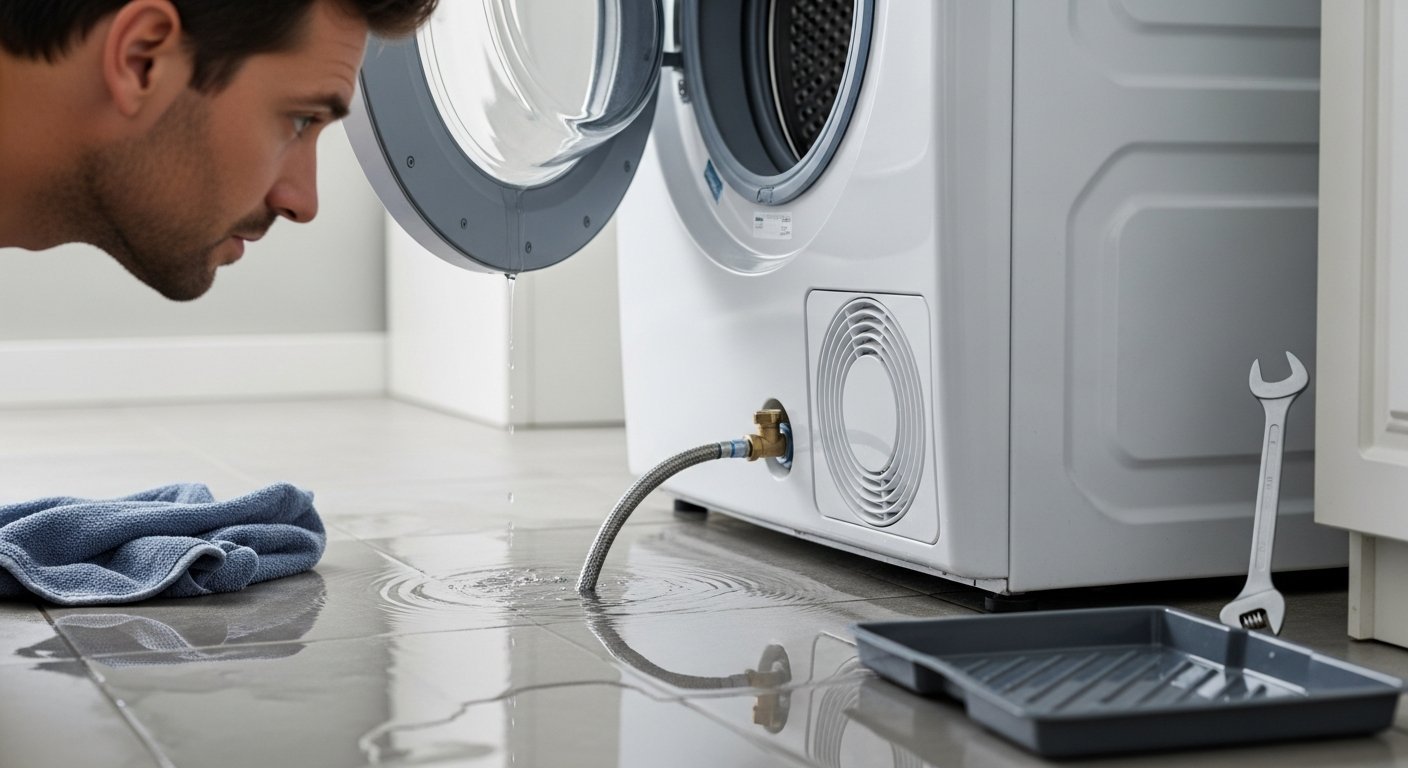
Washing Machine Leaking Repair: A Homeowner Guide
Learn how to handle washing machine leaking repair, spot warning signs, and protect your home from water damage. Call (833) 784-4040 for professional help.

By Jessica A. Miller
Learn more about Appliance Repair or Maintenance for guides, costs, and what to expect.
Compare Appliance Repair or Maintenance Pros Near You
Enter your ZIP code to compare top-rated local professionals and request free quotes.
You walk into your laundry room and feel a wet spot under your feet. A puddle spreads from beneath the washing machine, soaking the floor and creeping toward the wall. Your first thought is panic. Water damage can ruin flooring, warp cabinets, and even lead to mold. If you are dealing with a washing machine leak, you are not alone. This is one of the most common appliance troubles homeowners face. Understanding washing machine leaking repair can save you time, money, and a major headache.
Understanding Washing Machine Leaking Repair
Washing machine leaking repair involves identifying the source of the leak and fixing the specific part or connection that is failing. Leaks can come from a loose hose, a cracked pump, a faulty door seal, or even an overfilled drum. The repair may be as simple as tightening a connection or as involved as replacing an internal component.
Leaks happen for many reasons. Hoses degrade over time. The door seal on a front-loader can crack or collect debris. The drain pump may develop a hole. Even a small imbalance in the machine can cause water to escape. Homes with older machines or those that see heavy use are most affected. If your washer is more than eight years old, the risk of leaks increases.
Why This Matters for Your Home
Ignoring a washing machine leak can lead to serious consequences. Water seeps into subflooring, causing rot and structural weakness. It can damage drywall, baseboards, and cabinets. Persistent moisture creates the perfect environment for mold and mildew, which can affect your family's health. Repair costs escalate quickly when water damage spreads beyond the laundry room.
Safety is another concern. Standing water near electrical outlets or the machine's power cord poses a shock hazard. A slow leak that goes unnoticed for weeks can cause thousands of dollars in hidden damage. Addressing the issue early protects your home, your wallet, and your peace of mind.
If you notice signs of this issue in your home, it may help to speak with a qualified contractor. Request a free quote or call (833) 784-4040 to explore your repair or remodeling options.
Common Problems Homeowners Experience
Homeowners encounter several recurring issues when their washing machine leaks. The most obvious sign is a puddle of water on the floor after a cycle. But the problem may not always be visible. You might notice water stains on the wall behind the machine, a musty smell, or a damp floor that never fully dries. Some leaks only happen during certain cycles, like the spin or drain phase.
Other problems include the machine shaking violently during a cycle, which can loosen connections and cause water to escape. You may also hear unusual sounds like gurgling or hissing that indicate a hose or pump issue. Here are the most common issues homeowners report:
- Cracked or loose inlet hoses that supply water to the machine
- A worn or torn door seal on front-loading washers
- A damaged drain pump that leaks water during the drain cycle
- Overfilling due to a faulty water level switch or pressure sensor
- Loose or corroded hose connections at the back of the machine
- A cracked tub or drum caused by wear or a heavy load
How Professionals Solve the Problem
Experienced contractors follow a systematic approach to diagnose and repair a washing machine leak. First, they inspect the entire machine, checking hoses, seals, pumps, and connections. They run a test cycle to observe where water escapes. Once they identify the source, they explain the issue to you in clear terms and provide a repair plan.
Professional repair offers several advantages over DIY fixes. Contractors have the right tools and replacement parts on hand. They know how to access hard-to-reach components without damaging the machine. They also spot secondary issues, like a failing hose clamp or a corroded valve, that you might miss. Here is the typical process a contractor follows:
- Turn off the water supply and unplug the machine for safety.
- Remove the top or back panel to access internal parts.
- Inspect hoses, seals, pump, and tub for visible damage.
- Test components like the water inlet valve and drain pump.
- Replace the faulty part, reassemble the machine, and run a test cycle.
A professional inspection can reveal hidden issues before they become expensive repairs. Compare contractor quotes here or call (833) 784-4040 to discuss your project.
Warning Signs You Should Not Ignore
Your washing machine often gives you clues before a major leak occurs. Pay attention to these early warning signs. Catching them early can prevent a small drip from turning into a flood. If you spot any of the following, it is time to schedule an inspection:
- Water pooling on the floor after a wash cycle
- Rust or corrosion on the back of the machine near hose connections
- A musty or mildew smell coming from the laundry area
- Visible cracks or bulges in the rubber inlet hoses
- The machine shakes or vibrates excessively during the spin cycle
- Water stains or bubbling paint on the wall behind the washer
If you notice any of these signs, do not wait. A small leak can quickly damage your flooring and subflooring. Early action saves money and prevents more extensive repairs. In our guide on why washing machine stops spinning, we explain how related issues can compound over time.
What Affects the Cost of Repairs or Installation
The cost of washing machine leaking repair varies based on several factors. The type of part that needs replacement is the biggest factor. A simple hose replacement might cost under $100, while replacing a drain pump or door seal can run several hundred dollars. Labor rates also vary by region and the contractor's experience level.
Accessibility matters. If your machine is in a tight laundry closet or stacked with a dryer, the technician may need extra time to reach the leak. The age of your machine can also affect cost. Older models may have discontinued parts that are harder to find. In some cases, the repair cost approaches the price of a new machine, and a contractor may recommend replacement instead.
Costs can vary depending on the condition of your home. The best way to know the price is to get a personalized estimate. Request free quotes from contractors or call (833) 784-4040 today.
How to Choose the Right Contractor
Finding a trustworthy contractor for your washing machine leak repair is essential. You want someone who will diagnose the problem correctly, use quality parts, and stand behind their work. Start by looking for local professionals who specialize in appliance repair. Avoid hiring a general handyman for complex internal repairs.
Take time to compare your options. A reliable contractor will provide a clear estimate and answer your questions. Here are a few tips to help you choose wisely:
- Verify that the contractor is licensed and insured for appliance repair in your state
- Read customer reviews on platforms like Repairmen to see what others say
- Ask for a detailed written estimate that includes parts, labor, and any fees
- Get quotes from at least two or three contractors to compare pricing
- Confirm the contractor has experience with your washer brand and model
Long-Term Benefits of Professional Work
Investing in professional washing machine leaking repair pays off in the long run. A properly repaired machine runs more efficiently, uses less water, and reduces your utility bills. Professional repairs also extend the life of your appliance, delaying the need for a costly replacement.
Safety improves when a contractor addresses all potential hazards. They secure hose connections, check electrical components, and ensure the machine is level. This reduces the risk of future leaks and electrical issues. Your home's value also benefits. A well-maintained laundry area with no history of water damage is a selling point if you ever decide to move.
Finally, professional work gives you peace of mind. You know the job was done right, and you have a warranty on parts and labor. That protection is something no DIY repair can offer.
Can I fix a washing machine leak myself?
Some leaks are simple to fix, like tightening a loose hose connection. However, most leaks require diagnosing internal parts like pumps, seals, or valves. Without the right tools and experience, you risk causing more damage. Professional washing machine leaking repair is safer and more reliable.
How do I find where my washing machine is leaking?
Start by checking the inlet hoses at the back of the machine. Look for cracks, bulges, or loose connections. Then inspect the door seal on front-loaders for tears or debris. If you cannot see the source, run a short cycle and watch for drips. A contractor can perform a pressure test to locate hidden leaks.
Is a leaking washing machine dangerous?
Yes, it can be. Water near electrical outlets or cords poses a shock hazard. Standing water can also cause slip and fall accidents. Mold growth from persistent moisture is a health risk. Address any leak as soon as you notice it.
How much does washing machine leak repair cost?
The cost typically ranges from $100 to $350 for most repairs. Simple hose replacements are on the lower end, while pump or seal replacements cost more. The best way to know the exact price is to get a free quote from a local contractor.
Should I repair or replace my leaking washing machine?
Consider the age of your machine and the repair cost. If the washer is over 10 years old and the repair exceeds half the price of a new one, replacement may be more cost-effective. A contractor can help you weigh the options.
How long does a washing machine leak repair take?
Most repairs take one to two hours. Simple fixes like hose replacements are faster. Complex repairs involving internal parts may take longer. Your contractor will give you a time estimate during the initial inspection.
How can I prevent future washing machine leaks?
Inspect hoses every few months and replace them every three to five years. Do not overload the machine. Keep the door seal clean and dry. Ensure the machine is level to reduce vibration. Schedule annual maintenance with a professional to catch issues early.
Does homeowners insurance cover washing machine leaks?
It depends on your policy. Many policies cover sudden and accidental water damage, but not damage from gradual leaks or lack of maintenance. Check with your insurance provider. Professional repair documentation can help with claims.
Your washing machine is a workhorse, but it needs care. A small leak today can become a major problem tomorrow. Addressing it quickly protects your home, your health, and your budget. Compare contractor quotes to find the right professional for your repair. Taking action now saves you stress and money down the road.
Learn more about Appliance Repair or Maintenance for guides, costs, and what to expect.
Compare Appliance Repair or Maintenance Pros Near You
Enter your ZIP code to compare top-rated local professionals and request free quotes.